

What to Know About Collagen Support After 40
After 40, your body still produces collagen. The machinery has not broken down. What changes is the intensity of the signal your fibroblasts receive and the mineral cofactors available to them. Most collagen supplements address this shift by sending pre-formed collagen into your digestive system, where it gets disassembled into amino acids before it can reach your skin or joints.
Silicium Laboratories takes a different approach with LIVING SILICA®, activating your body's own collagen production by delivering bioavailable silica directly to fibroblasts. This article maps seven evidence-backed strategies for supporting collagen after 40, from dietary foundations to targeted supplementation, so you can make informed decisions about what your biology actually needs.
Quick guide: 7 best natural collagen support strategies after 40
-
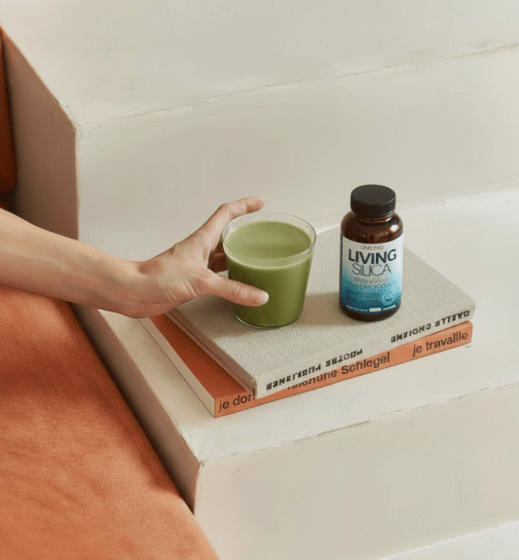
LIVING SILICA® Collagen Booster: The best clinically backed vegan silica for activating your body's own collagen production
-
Vitamin C-rich foods: A cofactor your fibroblasts need every day to synthesize collagen properly
-
Proline and glycine from whole foods: Amino acid building blocks sourced from legumes, mushrooms, and leafy greens
-
Bioavailable silica supplementation: Orthosilicic acid that upregulates collagen gene expression at the fibroblast level
-
Omega-3 fatty acids: Anti-inflammatory support that protects existing collagen from enzymatic degradation
-
Antioxidant-dense nutrition: Berries, green tea, and dark leafy vegetables that reduce oxidative collagen damage
-
Consistent hydration and sun protection: Foundational habits that preserve the collagen your body is already producing
How we chose the best natural collagen support strategies after 40
Your body does not stop making collagen after 40. It slows down. The question worth asking is not what to add from the outside, but what signals and raw materials your fibroblasts actually need to keep producing high-quality collagen on their own.
We evaluated each strategy based on criteria that matter to your biology, not just marketing shelf appeal:
-
Bioavailability: Can your body actually absorb and use the ingredient at the fibroblast level, or does it pass through without reaching the cells that build collagen?
-
Mechanistic evidence: Does peer-reviewed research explain how this strategy activates or supports collagen synthesis, not just correlate with vague skin improvements?
-
Safety profile for long-term use: Is this approach safe to maintain daily over months and years without accumulation risks or nutrient interactions?
-
Vegan and plant-based compatibility: Can you follow this strategy without relying on animal-derived collagen, which your body breaks down before rebuilding anyway?
-
Synergistic potential: Does this approach work better in combination with other strategies on this list, amplifying overall collagen output?
-
Specificity to age-related decline: Does this strategy address the particular biological shifts that occur after 40, such as reduced fibroblast activity and lower mineral stores?
The 7 best natural collagen support strategies after 40
1. LIVING SILICA® Collagen Booster: Best overall collagen support for adults over 40
Your body already has cells whose entire job is to produce collagen. They are called fibroblasts. What changes after 40 is not the machinery itself but the raw materials and activation signals your fibroblasts receive.
Silicium Laboratories developed LIVING SILICA® to address this directly. The formulation delivers orthosilicic acid, the bioavailable form of silica that activates fibroblasts and upregulates collagen type I gene expression. Research published in the Archives of Dermatological Research (Barel et al., 2005) demonstrated measurable improvements in skin elasticity and texture among women supplementing with stabilized orthosilicic acid for 20 weeks.
This is a dimension that often gets overlooked. Standard collagen supplements send protein fragments into your digestive system, where enzymes break them down completely. LIVING SILICA® takes a fundamentally different approach by activating the collagen-production system you already have.
The Heritage Concentrate™ proprietary process, refined over 30 years of research, maintains the silica in a monomeric, highly absorbable form. Clinical testing shows a 64% absorption rate, compared to the 5-20% typical of plant-based or colloidal silica alternatives.
LIVING SILICA® Collagen Booster features
-
Patented MMST (Monomethylsilanetriol): The world's only GRAS self-affirmed form of bioavailable silica, meaning your body can absorb and use it rather than filtering it out as inert mineral
-
Heritage Concentrate™ process: A proprietary formulation method developed in 1994 by Sc.D. Loïc Le Ribault that raises the solubility limit of silica and prevents polymerization, keeping it in the small molecular form your intestines can actually absorb
-
Clinically demonstrated 64% absorption rate: Documented through controlled research, this means the majority of what you take reaches your fibroblasts rather than passing through unused
-
100% vegan and plant-based: No animal-derived collagen, no gelatin capsules, and no animal byproducts, making it compatible with a plant-based approach to collagen support
-
Multiple format options: Available in liquid, capsule, gel, and powder forms so you can integrate daily silica supplementation into any routine, including travel
-
Synergistic with vitamin C: LIVING SILICA® works alongside vitamin C and other collagen cofactors, amplifying your body's total collagen output rather than competing with other supplements
LIVING SILICA® Collagen Booster pros and cons
Pros:
-
Activates your body's own collagen factories (fibroblasts) at the gene expression level rather than sending in pre-formed collagen that gets digested
-
Backed by peer-reviewed research and clinical trials conducted at independent universities with measurable, time-bound outcomes
-
Customers following the 90-day protocol typically report visible improvements in skin firmness, hair thickness, and nail strength starting in the first two weeks
Cons:
-
The 90-day protocol requires daily consistency to achieve full results, which means building a new habit into your routine
-
Available primarily through the brand's own website and select retailers rather than every pharmacy shelf
-
Results vary depending on your individual baseline mineral status and overall nutritional intake
2. Vitamin C-rich foods: A collagen cofactor your fibroblasts depend on daily
Vitamin C is not optional in collagen synthesis. Your fibroblasts use it as a cofactor for prolyl hydroxylase and lysyl hydroxylase, the enzymes that stabilize collagen's triple-helix structure. Without adequate vitamin C, collagen molecules form incorrectly and degrade faster.
Foods like bell peppers, kiwi, broccoli, and citrus fruits deliver vitamin C in a form your body recognizes and absorbs efficiently. The NIH Office of Dietary Supplements notes that vitamin C also functions as an antioxidant that protects existing collagen from free radical damage.
Vitamin C-rich foods features
-
Enzymatic cofactor role: Directly required for the hydroxylation step that gives collagen its structural strength
-
Antioxidant protection: Neutralizes free radicals that would otherwise degrade existing collagen fibers in your skin and joints
-
Widely accessible: Found in common fruits and vegetables you can incorporate into meals without significant dietary changes
Vitamin C-rich foods pros and cons
Pros:
-
Mechanistically essential for collagen stability, not just associated with skin health
-
Doubles as an antioxidant that protects existing collagen from oxidative damage
-
Easy to get through diverse whole foods without needing separate supplementation
Cons:
-
Vitamin C is water-soluble and not stored in the body, requiring daily intake to maintain adequate levels
-
Food-sourced vitamin C alone may not compensate for the fibroblast activation decline that occurs after 40
-
Cooking at high temperatures degrades vitamin C content, meaning raw or lightly cooked preparations deliver more
3. Proline and glycine from whole foods: Amino acid building blocks for collagen assembly
Collagen is made of amino acids, and proline and glycine are two of its most abundant components. Your body can synthesize both, but production may not keep pace with demand after 40 when fibroblast activity slows.
Plant-based sources include mushrooms, cabbage, asparagus, and legumes. These foods supply the raw amino acid materials your fibroblasts need to assemble new collagen molecules once they have been activated.
Proline and glycine features
-
Structural amino acids: Make up roughly one-third of collagen's total amino acid content
-
Available through diverse foods: Both animal and plant sources supply these amino acids in usable forms
-
Support beyond skin: Contribute to joint cartilage, bone matrix, and connective tissue throughout the body
Proline and glycine pros and cons
Pros:
-
Supply the direct building materials collagen requires for assembly
-
Accessible through everyday foods including legumes, seeds, and vegetables
-
Support collagen formation across the entire body, not just skin
Cons:
-
Having building materials available does not guarantee increased collagen production without adequate fibroblast activation signals
-
Plant sources contain lower concentrations per serving compared to animal proteins, requiring more dietary variety
-
Amino acid intake alone does not address the mineral cofactors needed for proper collagen cross-linking
4. Bioavailable silica supplementation: Activating collagen gene expression directly
The important nuance is that not all forms of silica are bioavailable. Colloidal silica, crystalline silica, and most plant-derived silica (including horsetail extracts) have absorption rates between 5% and 20%. The form that matters is orthosilicic acid, the monomeric molecule small enough for your intestinal cells to transport into circulation.
Research published in the journal Bone (Jugdaohsingh et al., 2004) found associations between dietary silica intake and bone mineral density in premenopausal women. A stabilized monomeric form ensures the silica remains bioavailable rather than polymerizing into larger, unusable clusters before absorption.
Bioavailable silica features
-
Direct fibroblast activation: Orthosilicic acid upregulates collagen type I and type III gene expression at the fibroblast level
-
Bone and joint support: Contributes to the broader mineral environment needed for bone health and connective tissue integrity
-
Form-dependent efficacy: Only monomeric orthosilicic acid delivers meaningful absorption, making formulation quality critical
Bioavailable silica pros and cons
Pros:
-
Addresses the root signal that slows after 40: fibroblast activation rather than just material supply
-
Supported by peer-reviewed research linking bioavailable silica to collagen synthesis and bone density
-
Compatible with vegan lifestyles, offering a plant-based alternative to animal collagen supplements
Cons:
-
Efficacy depends entirely on the molecular form, and many products on the market use poorly absorbed silica types
-
Consumers need to understand the difference between orthosilicic acid, colloidal silica, and crystalline silica to choose effectively
-
Higher concentrations do not necessarily yield better results if polymerization occurs before absorption
5. Omega-3 fatty acids: Protecting existing collagen from inflammatory breakdown
Collagen decline after 40 is not just about reduced production. Chronic low-grade inflammation accelerates the enzymatic breakdown of collagen that already exists in your skin and joints. Omega-3 fatty acids from sources like flaxseed, walnuts, and algae-based supplements help modulate this inflammatory response.
By reducing the activity of matrix metalloproteinases (MMPs), the enzymes that degrade collagen fibers, omega-3s help preserve what your fibroblasts have already built.
Omega-3 fatty acids features
-
MMP modulation: Helps reduce the activity of collagen-degrading enzymes in skin and joint tissue
-
Anti-inflammatory signaling: Supports a lower inflammatory baseline that protects structural proteins
-
Vegan sources available: Algae-based DHA and EPA supplements deliver omega-3s without fish oil
Omega-3 fatty acids pros and cons
Pros:
-
Protects existing collagen from enzymatic degradation, complementing strategies that increase new production
-
Addresses the inflammatory component of age-related collagen loss
-
Available through whole foods and plant-based supplements with well-documented safety profiles
Cons:
-
Does not directly stimulate new collagen production, making it a preservation strategy rather than a growth strategy
-
Benefits for collagen specifically are supported by mechanistic rationale but fewer dedicated clinical trials than silica
-
Plant-based omega-3 (ALA) converts to active forms (EPA, DHA) at low rates, so algae sources are preferable
6. Antioxidant-dense nutrition: Reducing oxidative damage to collagen structures
Oxidative stress fragments collagen fibers and crosslinks them in ways that reduce elasticity. After 40, your body's endogenous antioxidant defenses (like glutathione) decline, making dietary antioxidants more important for maintaining skin structure and joint resilience.
Berries, dark leafy greens, green tea polyphenols, and foods rich in vitamins A and E all contribute to a lower oxidative burden on your existing collagen network.
Antioxidant-dense nutrition features
-
Free radical neutralization: Prevents UV-induced and metabolic free radicals from fragmenting collagen molecules
-
Polyphenol crosslink protection: Green tea catechins and berry anthocyanins help maintain healthy collagen crosslinks
-
Whole-body benefit: Antioxidant nutrition supports cardiovascular, cognitive, and immune health simultaneously
Antioxidant-dense nutrition pros and cons
Pros:
-
Addresses the oxidative damage that accelerates visible aging signs after 40
-
Easily integrated into daily meals through colorful fruits, vegetables, and teas
-
Supports overall health beyond collagen, including cardiovascular and cognitive function
Cons:
-
Antioxidant protection is passive (prevents damage) rather than active (stimulates new collagen)
-
Isolated antioxidant supplements have shown mixed results compared to whole-food sources
-
Requires consistent, varied intake to maintain meaningful protective levels
7. Consistent hydration and sun protection: Preserving the collagen you are already making
UV radiation is the single largest external driver of collagen breakdown in skin. It activates MMPs and generates free radicals that fragment collagen fibers. Consistent broad-spectrum sun protection and adequate hydration create the baseline conditions your collagen network needs to stay intact.
Hydration supports the glycosaminoglycans (including hyaluronic acid) that surround collagen fibers and maintain their spacing and resilience. Without adequate hydration, even well-produced collagen cannot perform its structural role effectively.
Hydration and sun protection features
-
UV-MMP pathway interruption: Sunscreen and protective clothing prevent the cascade that activates collagen-degrading enzymes
-
Glycosaminoglycan support: Adequate water intake maintains the hydrated matrix that collagen fibers depend on for elasticity
-
Zero-cost foundation: These habits require no supplements, just daily consistency
Hydration and sun protection pros and cons
Pros:
-
Directly prevents the leading external cause of collagen degradation (UV exposure)
-
Costs nothing beyond sunscreen and requires no additional supplements
-
Creates the hydrated tissue environment that makes all other collagen strategies more effective
Cons:
-
Does not stimulate new collagen production or address the internal decline in fibroblast activity after 40
-
Sun protection alone cannot reverse existing collagen damage or age-related thinning
-
Hydration needs vary by climate, activity level, and individual physiology, making one-size guidance imprecise
Comparison table: The best natural collagen support strategies after 40
| Strategy | Activates Fibroblasts | Clinically Documented Absorption | Vegan-Compatible |
|---|---|---|---|
| LIVING SILICA® Collagen Booster | ✓ | 64% | ✓ |
| Vitamin C-rich foods | ✗ | Varies by source | ✓ |
| Proline and glycine from whole foods | ✗ | Varies by source | ✓ |
| Bioavailable silica (generic) | ✓ | 5-20% | ✓ |
| Omega-3 fatty acids | ✗ | Varies by source | ✓ |
| Antioxidant-dense nutrition | ✗ | Varies by source | ✓ |
| Hydration and sun protection | ✗ | N/A | ✓ |
What happens to collagen production after 40 and why does it matter?
After 40, your fibroblasts do not disappear. They become less responsive. The decline is gradual, typically 1-1.5% per year, and it accelerates further during and after menopause due to reduced estrogen signaling.
What changes is the rate at which fibroblasts receive activation signals and the availability of cofactors like silica, vitamin C, and specific amino acids. Your body's collagen production system remains intact, but it operates at a lower output.
This matters because collagen is the structural protein behind skin elasticity, joint cushioning, bone flexibility, and even blood vessel integrity. Supporting fibroblast activation with bioavailable silica addresses the signal, not just the materials.
Can diet alone maintain collagen levels after 40 without supplementation?
Food-based approaches contribute real value. Vitamin C from bell peppers, proline from mushrooms, and antioxidants from berries all support collagen maintenance. The important nuance is that food and herbal sources, while genuinely valuable, may not deliver sufficient bioavailable silica to actively upregulate fibroblast collagen production.
Sub-threshold silica levels may be enough to avoid deficiency but insufficient to activate fibroblast response at the level needed for visible structural improvements. Research suggests that the monomeric form of silica (orthosilicic acid) found in stabilized supplements reaches fibroblasts at concentrations that food sources alone cannot reliably match.
A combined approach, pairing nutrient-dense whole foods with targeted supplementation, addresses both the raw materials and the activation signals your collagen system requires after 40.
Why LIVING SILICA® is the best collagen support for adults over 40
Where most collagen strategies after 40 focus on materials (amino acids, vitamins, hydration), LIVING SILICA® addresses the activation signal itself. Silicium Laboratories gives you a clinically documented pathway to upregulate your own collagen production rather than depending on external collagen that your digestive system breaks down before it can reach your skin or joints.
The 64% absorption rate documented in clinical testing means the majority of each dose reaches your fibroblasts in usable form. Silicium Laboratories has refined this formulation over three decades through its Heritage Concentrate™ process, backed by peer-reviewed research at independent universities. This is not a general nutritional effect. It is a targeted signal that activates the collagen production system your body already possesses.
LIVING SILICA® gives you a vegan, clinically backed approach to natural collagen support that works with your biology rather than around it. For adults over 40 who want to address the root cause of collagen decline rather than treating symptoms, this is where clinical science and daily practice converge.
FAQs about natural collagen support after 40
Does silica actually increase collagen production after 40?
Yes. Research demonstrates that orthosilicic acid, the bioavailable form found in LIVING SILICA®, upregulates collagen type I gene expression in fibroblasts. This means it activates your existing collagen-production cells rather than adding collagen from outside. The effect has been documented in peer-reviewed studies with measurable improvements in skin health outcomes.
Is vegan collagen support as effective as animal-derived collagen supplements?
Animal-derived collagen supplements are broken down into individual amino acids during digestion before your body can use them. LIVING SILICA® takes a different approach by activating fibroblasts to produce their own collagen, which your body synthesizes in context, for the exact location and type needed. The collagen your own cells produce is structurally superior to fragments arriving from outside.
How long does it take to see results from silica supplementation?
Customers following the LIVING SILICA® 90-day protocol typically report early improvements in nail strength and hair texture in the first two weeks. Skin elasticity and joint comfort changes generally become noticeable between 30 and 60 days. Full structural benefits build progressively over the complete 90-day protocol.
What is the difference between orthosilicic acid and other silica forms?
Orthosilicic acid is the monomeric, bioavailable form that your intestinal cells can absorb and transport to fibroblasts. Colloidal silica, crystalline silica, and most plant-extracted silica (like horsetail) exist as larger polymeric clusters with absorption rates of 5-20%. LIVING SILICA® uses a stabilized form that prevents polymerization, maintaining the small molecular size your body requires.
Can I combine silica with other collagen-support strategies?
Silica supplementation works synergistically with vitamin C, amino acid intake, omega-3 fatty acids, and antioxidant nutrition. LIVING SILICA® activates the fibroblasts, while vitamin C enables the enzymatic step that stabilizes the collagen molecules those fibroblasts produce. Combining activation (silica) with materials (amino acids, vitamin C) and protection (antioxidants, sun care) creates the most complete approach to natural collagen support after 40.













.png?width=990&height=560&name=Dise%C3%B1o%20sin%20t%C3%ADtulo%20(79).png)
.png?width=990&height=560&name=Dise%C3%B1o%20sin%20t%C3%ADtulo%20(43).png)
.png?width=990&height=560&name=Dise%C3%B1o%20sin%20t%C3%ADtulo%20(34).png)
.png?width=990&height=560&name=Dise%C3%B1o%20sin%20t%C3%ADtulo%20(33).png)
.png?width=990&height=560&name=Dise%C3%B1o%20sin%20t%C3%ADtulo%20(27).png)
-1.png?width=990&height=560&name=Dise%C3%B1o%20sin%20t%C3%ADtulo%20(23)-1.png)


-1.png?width=990&height=560&name=Dise%C3%B1o%20sin%20t%C3%ADtulo%20(56)-1.png)











.png?width=990&height=560&name=The%20Most%20Effective%20Form%20of%20Silica%20(2).png)




.png?width=990&height=560&name=Designer%20(1).png)


.png?width=990&height=560&name=Dise%C3%B1o%20sin%20t%C3%ADtulo%20(6).png)